We develop innovative digital solutions that enhance Software Development, Cloud & DevOps etc.
We develop innovative digital solutions that enhance Software Development, Cloud & DevOps etc.


BlackLoom.ai | Cybersecurity & AI Security Intelligence
In 2026, businesses will rely heavily on technology for operations, communication, finance, and customer management. While digital transformation creates opportunities, it also creates serious security risks.
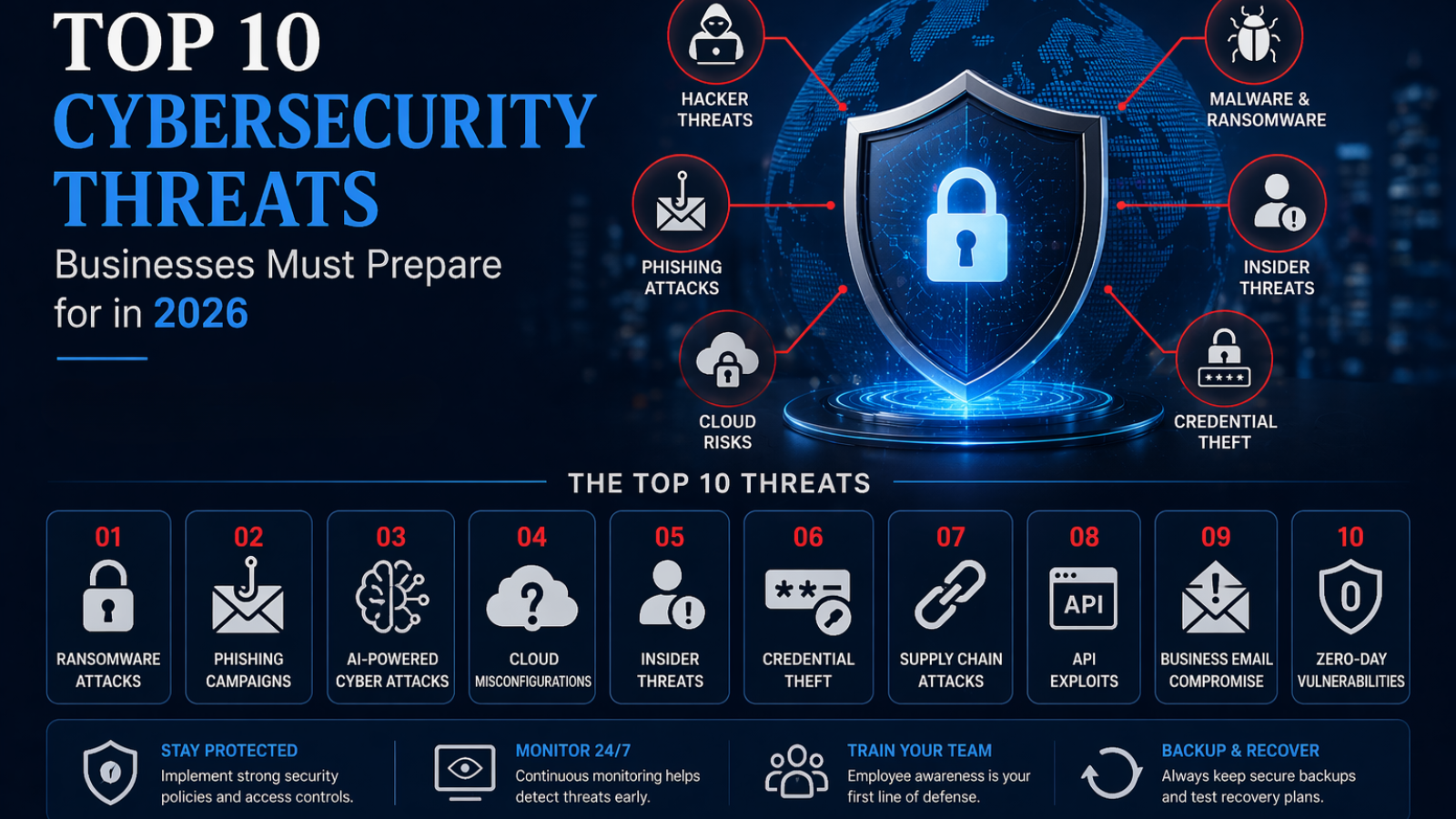
Cybercriminals are targeting companies of every size through ransomware, phishing, credential theft, cloud attacks, and insider threats.
Cybersecurity is no longer optional. It is a core business requirement.
Secure financial records, employee files, and customer information from unauthorised access.
Stop attacks that interrupt daily operations and cause service outages.
Customers trust businesses that keep their data safe and systems secure.
Stay aligned with GDPR, ISO 27001, HIPAA, and industry regulations.
Many attackers prefer smaller companies because they often lack dedicated security teams, strong monitoring tools, or structured response plans.
A single breach can create financial damage, legal problems, and loss of customer trust.
Artificial intelligence helps businesses identify threats faster and reduce response times. It can analyse millions of activities, detect suspicious patterns, and automate alerts.
However, attackers also use AI for smarter phishing and faster attacks. This is why modern defence must also be AI-powered.
24/7 Monitoring: Real-time visibility across systems and networks.
Threat Detection: AI-powered detection of hidden threats.
Incident Response: Rapid containment and recovery support.
Security Hardening: Stronger access control and architecture.
Compliance Support: Prepare for audits and standards.